
Where Germany’s June 2026 Heatwave Will Hit Hardest
Germany’s first real heatwave of 2026 starts on Wednesday, June 17. The German Weather Service (Deutscher Wetterdienst or DWD) is forecasting daytime highs of 25 to 36°C with peaks of up to 37°C by the weekend. The south and west will feel it most Baden-Württemberg, Rhineland-Palatinate, Hesse and the Upper Rhine area. Cities like Frankfurt, Mannheim and Stuttgart are also expected to have “tropical nights”, where the temperature does not drop below 20°C even after dark.
How to Stay Cool in a German Apartment Without AC
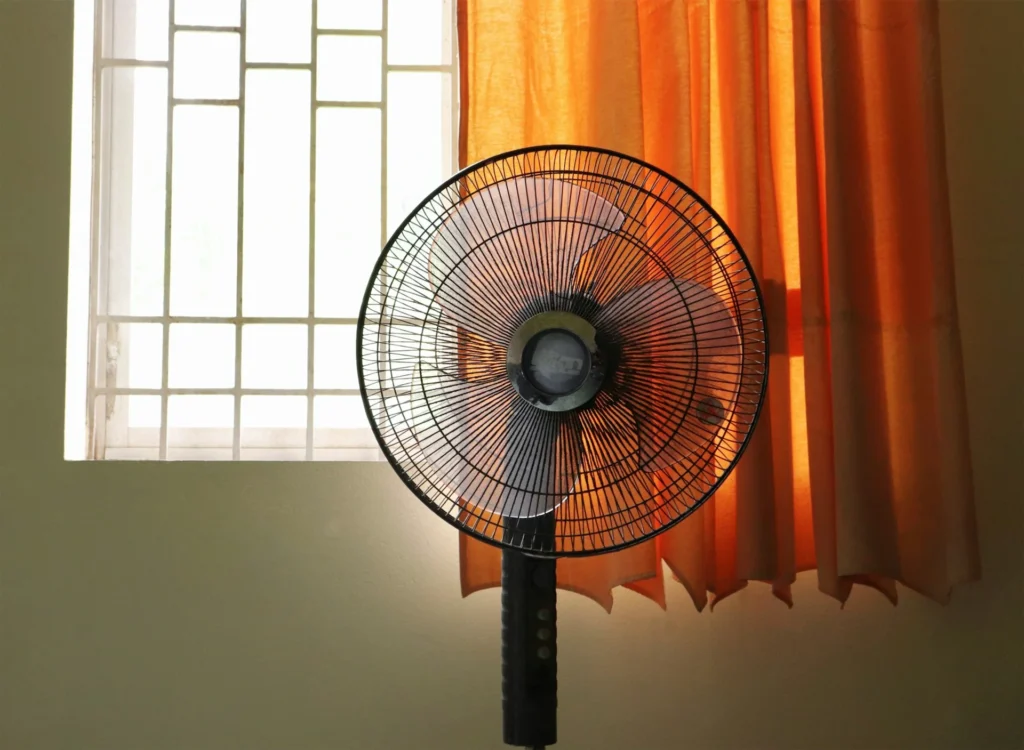
If this is your first German summer, the biggest surprise is that almost no home here has air conditioning. The trick is to do the opposite of what feels natural: keep blinds and windows shut during the day then open everything wide late at night to let cooler air in. Drink water steadily, avoid being outside between 11 a.m. and 4 p.m., and skip heavy meals. A simple fan placed in front of an open window, with a damp towel hung nearby, works better than most people expect. If you live in a top-floor flat (“Dachgeschoss”), expect it to feel several degrees hotter than the street.
Your Rights at Work and Where to Go for Relief
German rules ask employers to take action when indoor temperatures climb that means fans, more water breaks, flexible hours, or sending people home. But this is not an automatic right, so check with your HR or works council (“Betriebsrat”). If you work outside, your employer is being urged this week to put a written heat-protection plan in place. For relief, head to a public outdoor pool (“Freibad”) or one of the city lakes. Berlin, Munich and Hamburg all have official swimming spots a short S-Bahn ride from the centre.
Why This Won’t Be Germany’s Last Heatwave This Summer
This is only the first big heat spell of the year. European weather services put the chance of an above-average warm summer in 2026 at roughly 80%. The DWD also notes Germany has warmed by around 2.5°C compared with pre-industrial levels, which is why heatwaves now arrive earlier and stay longer. Save the DWD warning page on your phone, check in on elderly neighbours, and treat this week as a practice run for the months ahead.
Share this post: