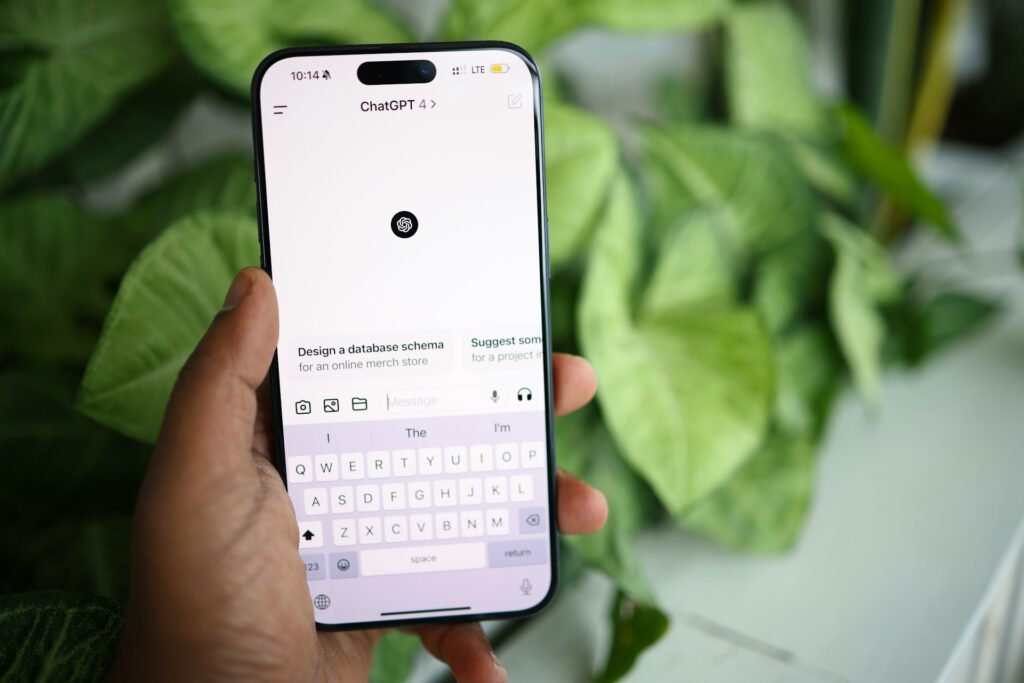
ChatGPT ads in Germany went live on Monday, 24 August 2026. If you’re on the free version, you’ve probably already met one: a small “sponsored” box under the answer you asked for. OpenAI switched on its advertising business in 31 European markets that day, and Germany was on the list from the start. For the internationals y who use ChatGPT on daily basis figuring out things in Germany, this is a big change. So here’s what’s different now, and what you can do about it.
ChatGPT Ads in Germany: What Actually Changed on 24 August
The ads now appear underneath ChatGPT’s answer, not inside it. They’re marked as “sponsored” and are visually separated from the reply. OpenAI says advertisers cannot change or influence the answer you get, and that they never see your conversations, your name, your email address, or your exact location. Advertisers only receive aggregated numbers such as impressions and clicks.
The rollout covers the EU countries plus Iceland, Liechtenstein, Norway and Switzerland. OpenAI named Germany in its announcement on 18 August, a week before launch. ZDFheute pointed out that OpenAI’s chief executive had for a long time publicly rejected the idea of putting advertising into chats, and the reversal is widely read as a response to the very high cost of running these models.
Who Gets the Ads, and Who Doesn’t
Only two groups see advertising: people on the Free plan and people on Go, the cheapest paid tier. If you pay for Plus, Pro, Business, Enterprise or Edu, your ChatGPT stays ad-free. According to German reporting, accounts identified as belonging to minors are also excluded. Most people use the free version, so in practice this change lands mainly on students, job seekers and anyone who has been using ChatGPT as a free German-language helper. If you are already paying for Plus, nothing about your experience changes this week.
Why Your Ads Are Different Than in the US
This is the part worth understanding properly. In the European Economic Area and Switzerland, OpenAI has not turned on personalised advertising. Ads here are picked from the conversation you’re having at that moment, plus rough location, language and a few basic signals like device type. Not your chat history. Not your saved memories. Not a profile built about you over months.
You can thank EU data protection law for that. It requires your active consent before your data gets used to target you, so personalisation starts switched off and stays off unless you choose otherwise. OpenAI has said it may offer personalisation in Europe later as a separate step you’d have to agree to. There are topic limits too. OpenAI says ads won’t appear around sensitive or regulated subjects, including physical and mental health and politics, and political advertising isn’t allowed at this stage. If you’re asking ChatGPT about a Krankenkasse at midnight, you shouldn’t be getting an ad next to it.
How to Turn the Ads Off
You have three realistic options,
Upgrade to a paid plan. Plus and above remain ad-free.
Switch to the ad-free free version. OpenAI offers a version of the free tier without ads, but it comes with lower daily message limits and fewer features like image generation and deep research.
Adjust your settings. You can turn off ad personalisation in your ChatGPT settings. You will still see ads, they will simply be less tailored.
If ChatGPT shows you an insurer, a bank or a language school under an answer about settling in Germany, go and check that company independently before you sign anything. A recommendation that turns up inside a friendly conversation feels like advice in a way a banner ad never does. It isn’t. It’s an ad, and the company paid to be there. If you want the wider picture on how AI tools in Germany are being regulated right now, we covered the new AI watermarks in Claude and Gemini earlier this month.
AI tools are used to write this piece.
Share this post: