
Missing the taste of home? You’re far from alone. Germany is home to more than 14 million people holding a foreign passport, and wherever you’ve landed, there’s a good chance someone from your part of the world got here first and opened a shop. Whether you’re after curry leaves, gochujang, harissa, or a proper bag of masa, here’s exactly how to find it.
1. Start With This One Google Maps Trick
Before anything else, open Google Maps and search in German, not English. Store owners list themselves as indischer Supermarkt (Indian supermarket), asiatischer Supermarkt or Asia Laden (Asian shop), türkischer Supermarkt (Turkish supermarket), arabischer Supermarkt, or afrikanischer Laden (African shop) and this is also how locals search. You’ll get far more results than searching in English, even in smaller towns. Filter by “Open now” and skim a few photos and reviews before crossing town because stock and freshness vary a lot from shop to shop.
2. The Big Cities Make It Easy
Berlin has the largest and most varied Indian grocery scene in the country, concentrated around Kreuzberg, Neukölln, and Hermannplatz. Munich comes next, Bavaria is home to the biggest Indian population outside Berlin, largely thanks to Munich’s tech industry, with stores clustered near the Hauptbahnhof and Schwabing. Hamburg and Frankfurt both have solid options too, generally around Altona and Hanauer Landstraße.
If you’d rather have one name to remember, Go Asia is Germany’s largest Asian supermarket chain, with more than 60 branches nationwide, a reliable first stop in almost any major city, even if it leans more East and Southeast Asian than South Asian. For Turkish, Arabic, and African staples, nearly every German city has at least one shop near the main station or a migrant neighbourhood, a halal meat counter is usually the giveaway.
3. Check the German Supermarkets Too
You don’t always need a specialty shop. Regular German supermarkets vary quite a bit in what they stock:
REWE and Edeka carry the widest and most consistent international ranges of the mainstream chains. Look for a section labelled Internationale Küche or Weltküche , you’ll typically find basmati rice, coconut milk, soy sauce, curry powder, and a few ready-made pastes. Larger city-centre branches (often called Edeka Center or REWE City) tend to stock more than smaller neighbourhood stores.
Kaufland and Globus are hypermarkets – bigger than a standard supermarket, with grocery sections that go well beyond basics. Their scale often means a broader international range than REWE or Edeka, at prices closer to a discounter than a premium shop.
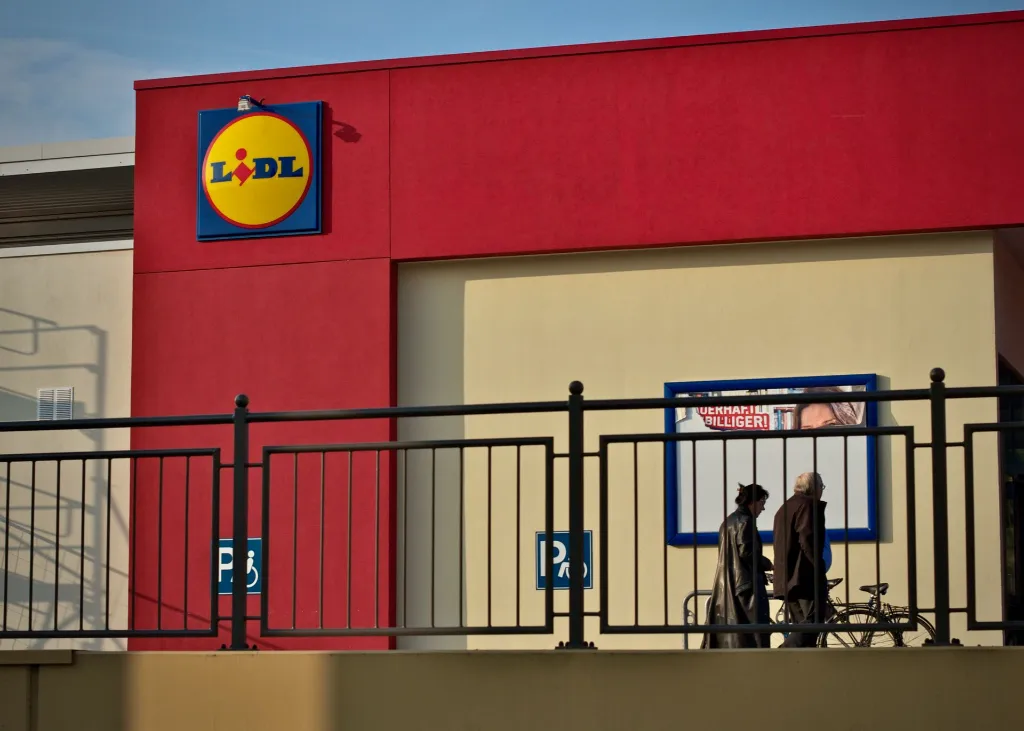
Aldi and Lidl stock the basics – basmati rice, some coconut milk, the occasional curry sauce but selection is limited and rotates with their weekly “Asia” or “Orient” themed promotions rather than sitting on the shelf permanently. Good for a quick top-up, not for stocking your pantry.
None of these will fully replace a proper Indian or Asian grocer, but they’re worth checking before you make a special trip across town.
4. Order Online for the Rest
For harder to find items like fresh curry leaves, hing, specific atta brands, or regional masalas, online Indian grocers now deliver across the whole country. Jamoona, Dookan, and NammaMarkt are among the most established, typically shipping within two to four days via DHL, DPD, or Hermes; several also offer same-day delivery in Berlin or Munich. If you’re after Turkish or Arabic groceries instead, Yababa runs same-day delivery in a growing number of German cities. It’s a solid backup for anything your local shop doesn’t stock.
5. A Few Things Worth Knowing Before You Go
Many small, family-run ethnic grocers are cash-only, or accept EC-Karte but not credit cards, so carry some cash as a backup. Fresh produce and herbs usually arrive on specific delivery days each week, so it’s worth asking staff when the next shipment lands if you want the freshest curry leaves or coriander. And like every other shop in Germany, most ethnic grocers close on Sundays (Sonntagsruhe), so plan your bigger shop for a weekday or Saturday.
That’s really all it takes, a German search term, a city-specific tip, a supermarket you already walk past, and one or two online backups for the things nobody nearby stocks.
AI tools may be used to write this piece.
Share this post: