
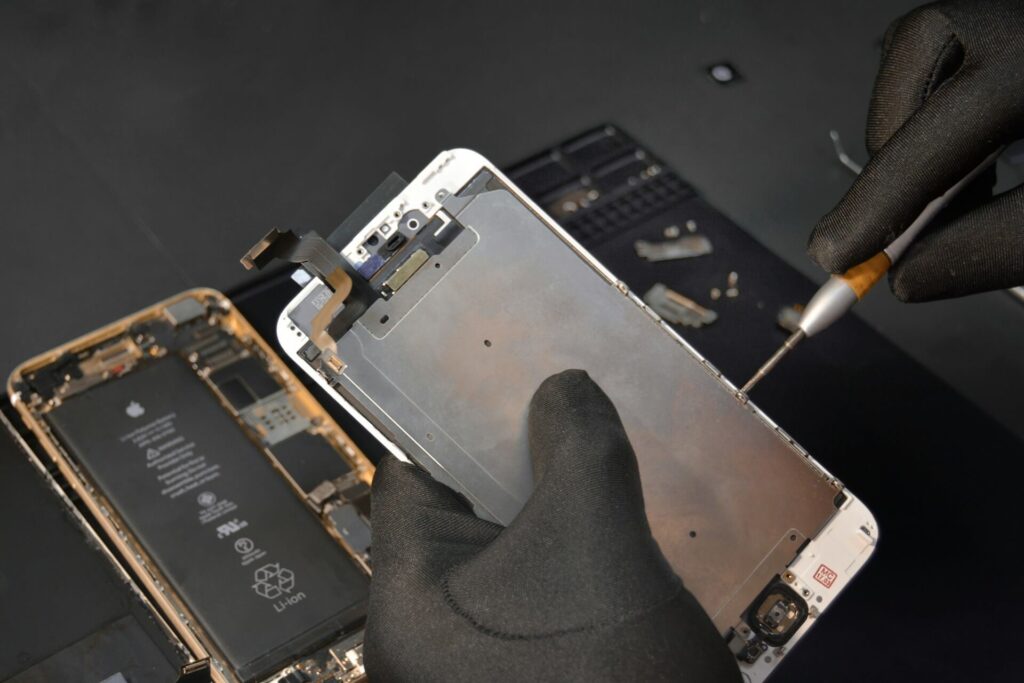
The EU right to repair is now part of German law, and it’s genuinely good news if you’ve ever stood over a dead washing machine wondering whether to throw it out and just buy new. Since 31 July 2026, Germany has had to follow new rules that make fixing your everyday electronics easier, and in a lot of cases cheaper than replacing them. Here’s what actually changed and what you can do with it
What the EU right to repair means in Germany
The rules come from an EU directive that every member state had to turn into national law by 31 July 2026. Germany met that deadline. Its Bundestag passed the law in June 2026 and it was published in the official Federal Law Gazette in July, so the changes apply to you right now. The whole point is to stop us throwing away things that could be fixed. Two ideas sit at the centre of it: while your product is still under warranty, repair becomes the favoured option over replacement, and even after the warranty runs out, the maker of certain products now has a duty to repair them. That second part is the real shift, because “sorry, we don’t fix those anymore” used to be the end of the conversation.
Right to repair inside your two-year warranty
In Germany, anything you buy comes with a two-year legal warranty, the Gewährleistung. If your product develops a fault within those two years, you can already ask the seller to repair or replace it for free. What’s new is the reward for choosing repair. If you pick a repair instead of a replacement, your warranty on that product stretches by another twelve months, so you’re covered for three years in total on the repaired item. If a repair genuinely isn’t possible, you can still ask for a replacement or your money back. In short, choosing the greener option no longer means giving up protection.
Right to repair after the warranty ends
This is the change most people will feel. Once the two years are up, the manufacturer (or the importer, if the maker sits outside the EU) now has to repair certain products, as long as the item can realistically be fixed. The list covers things like washing machines, dishwashers, fridges, vacuum cleaners, TVs and monitors, tumble dryers, and smartphones and tablets. You pay for the repair yourself here, but the price isn’t allowed to be unreasonably high, and makers have to sell spare parts at a fair price. They also can’t use sneaky software locks, hardware tricks, or contract clauses to block a repair, and they can’t refuse to use second-hand or 3D-printed parts. One honest catch: the after-warranty duty only applies to product groups that already have EU ecodesign rules, so everyday items like coffee machines, toasters, and headphones aren’t covered yet. The German consumer body ECC has flagged this gap, and the list is expected to grow over time.
New right to repair tools coming your way
A few supporting tools are on the way. A Europe-wide online repair platform is being built so you can find local repair shops and repair cafés in one place, and it’s expected to go live around January 2028. Repair shops can also hand you a standardized European repair form that lays out the price and conditions upfront, and once they give it to you, that offer stays valid for 30 days, which makes comparing quotes far easier. Separately, since 20 June 2025 new smartphones and tablets sold in the EU carry an energy label showing how repairable and durable they are. Behind that label sit real requirements: makers must keep spare parts available for at least seven years, provide software updates for at least five years, and batteries have to survive at least 800 full charge cycles while keeping most of their capacity.
How to use your right to repair now
Keep your receipts and any proof of purchase, because your warranty rights start from the day you buy. If something breaks inside two years, ask for a repair and remember it now adds a year to your cover. If it’s older than that and it’s one of the covered products, contact the manufacturer before you give up on it. And when you’re buying a new phone, tablet, or big appliance, take thirty seconds to check the EU energy label, because a repair-friendly device costs you far less over its life. This is one of several consumer-friendly changes landing in Germany this year, alongside the new Buy Now Pay Later law. The rules aren’t perfect yet, but for the first time the system is nudging things in your favour.
AI tools are used to write this piece.
Share this post: